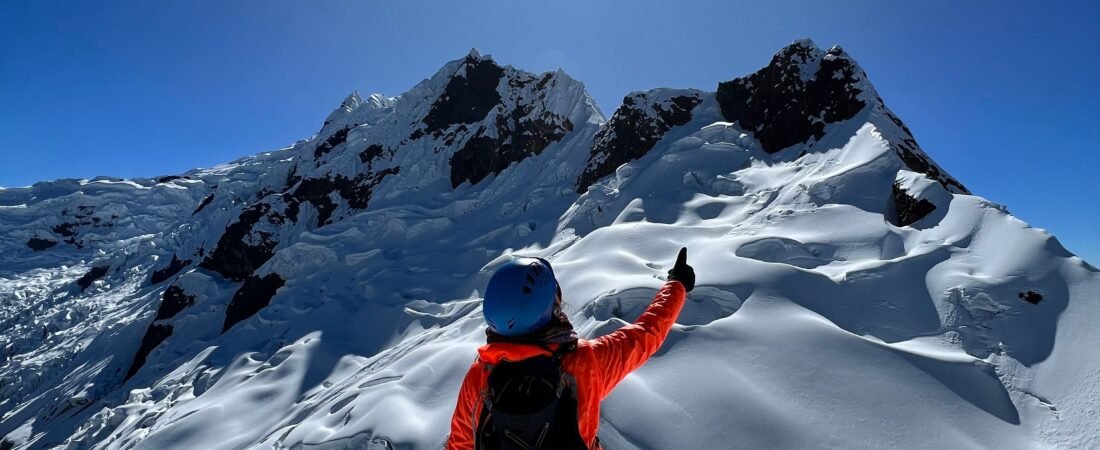
How to Train for Your First High-Altitude Hike
Training for high altitude is about more than just leg strength; it’s about preparing your cardiovascular system for thinner air. At higher elevations, the atmospheric pressure is lower, meaning there are fewer oxygen molecules in every breath. To succeed, you need to build a robust aerobic base and strengthen the specific muscles used for vertical gain.
The 4-Week Progressive Training Plan
- Week 1: Foundations. Focus on incline walking and stair climbing. Aim for 30-45 minutes at a steady pace where you can still hold a brief conversation. This builds the initial cardiovascular resilience needed for steady climbing.
- Week 2: Resistance. Add a weighted pack (10-15 lbs) to your walks. This simulates the gear you’ll be carrying and forces your heart and lungs to work harder at lower intensities.
- Week 3: Capacity. High-intensity interval training (HIIT). Perform short bursts of maximum effort followed by recovery periods. This improves your VO2 max and helps your body process oxygen more efficiently.
- Week 4: Endurance. Long, slow distance hikes. Spend 3-5 hours on the trail with your full gear. This builds the mental and physical stamina required for long summit days.
Critical Tips for Success
1. The “Climb High, Sleep Low” Rule: If your hike involves multiple days, try to gain altitude during the day but return to a slightly lower elevation to sleep. This helps your body produce more red blood cells without the extreme stress of sleeping in very thin air.
2. Hydration and Electrolytes: You lose moisture through respiration much faster at high altitudes because the air is drier. Drink more water than usual and include electrolytes to maintain proper muscle function and prevent headaches.
3. Listen to Your Body: Acute Mountain Sickness (AMS) can affect anyone, regardless of fitness level. Symptoms include dizziness, nausea, and severe headaches. If symptoms persist or worsen, the only cure is to descend immediately.
Pro Tip: Start your hike at a “conversational pace.” If you’re breathing too hard to speak, you’re going too fast. Slow and steady wins the race at 10,000 feet!