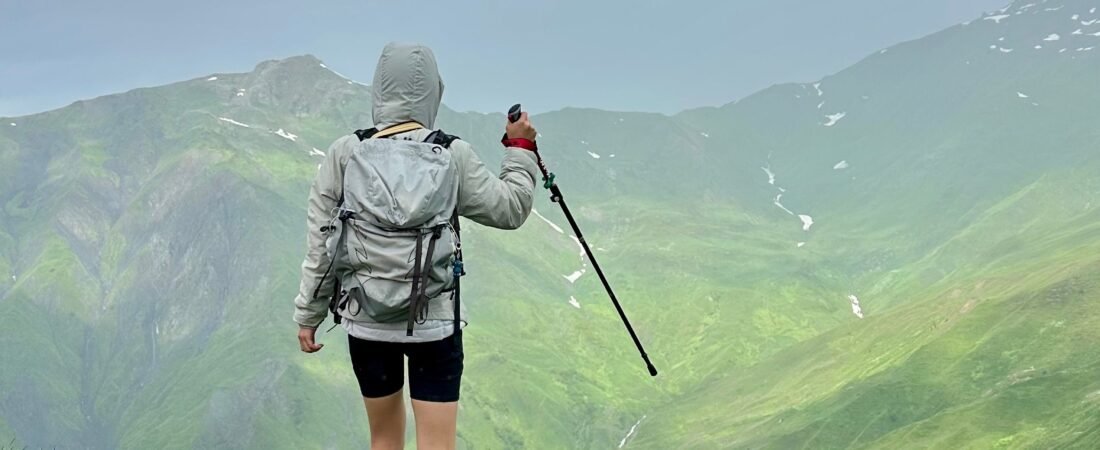
Top 10 Safety Tips for Solo Hikers
Hiking alone can be incredibly rewarding, offering a unique sense of freedom and a deeper connection with nature. However, without a partner to rely on, it requires extra safety precautions and a higher level of self-sufficiency. Never hit the trail without following these essential rules:
- Share Your Itinerary: Tell a reliable person your exact route, trailhead location, and expected return time. Establish a “panic time” when they should call for help if they haven’t heard from you.
- Carry Emergency Communication: In many remote areas, cell service is non-existent. Carry a satellite messenger or personal locator beacon (PLB) to send your coordinates or call for rescue.
- Stay on Marked Trails: It is much easier to get lost or injured when bushwhacking. Staying on the trail ensures you remain in areas where other hikers or search teams are likely to find you.
- Monitor the Weather: Check the forecast right before you leave and keep an eye on the sky. High-altitude weather can change in minutes, turning a sunny day into a dangerous storm.
- Pack the ‘Ten Essentials’: This includes navigation (map/compass), sun protection, insulation (extra layers), illumination (headlamp), first-aid supplies, fire starter, repair kit, nutrition, hydration, and emergency shelter.
Advanced Guidance for Solo Success
Know Your Limits: Solo hiking is not the time to attempt your most challenging peak or a trail far beyond your fitness level. Stick to trails you are confident you can handle even if you’re feeling tired.
Trust Your Instincts: If a situation, weather pattern, or even another person on the trail makes you feel uneasy, don’t hesitate to turn back. Your safety is more important than reaching the destination.
Master Basic First Aid: When you’re alone, you are your own first responder. Know how to treat blisters, clean wounds, and manage minor sprains before you head out.
Safety first ensures you’ll have many more adventures to come! Slow down, stay alert, and enjoy the solitude.