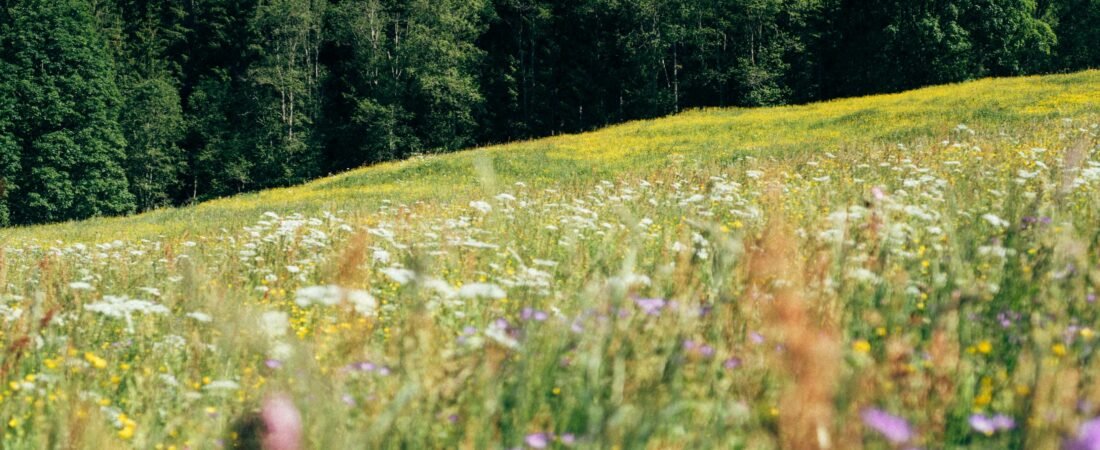
Timing isn’t just about convenience; it’s a critical component of trail safety and environmental stewardship. Whether you’re chasing the perfect golden hour photo or trying to avoid a dangerous mountain thunderstorm, understanding the variables of time will transform your hiking experience. Here is a comprehensive guide to choosing the perfect window for your next adventure.
1. Master the Weather Window
Weather in the wilderness can change in minutes. To stay safe, you need to look beyond the basic temperature forecast:
- The 24-Hour Rule: Check the forecast exactly one day before. In high-altitude regions, look for “diurnal” patterns—afternoon thunderstorms are common in summer, making a 6:00 AM start a safety requirement, not just a preference.
- Wind Speed and Chill: A 50°F day can feel like 30°F on an exposed ridge. Use tools like mountain-forecast.com for elevation-specific data.
- Daylight Hours: Always calculate your “turn-around time.” If sunset is at 6:00 PM and you’re only halfway to the summit at 3:00 PM, it’s time to head back.
2. Strategic Crowd Management
Popular trails can feel like city sidewalks on a Saturday afternoon. To find the solitude that nature is meant to provide, try these strategies:
- The “Early Bird” Advantage: Arriving at the trailhead before 7:00 AM almost guarantees a parking spot and a quiet ascent.
- Mid-Week Magic: Tuesdays and Wednesdays are statistically the least crowded days on any trail.
- The Shoulder Season: The weeks just before a park’s “peak” season (like late May or early November) offer a balance of decent weather and significantly fewer tourists.
3. Seasonal Nuances and Trail Conditions
Every season offers a different version of the same trail. Choosing the right one depends on your goals:
- Spring: Expect vibrant wildflowers and rushing waterfalls, but be prepared for “mud season.” High-elevation trails may still have dangerous snow bridges.
- Summer: The best time for high peaks, but heat exhaustion is a real risk. Stick to shaded forest trails or high-altitude routes.
- Autumn: Crisp air and fall colors make this the most photogenic season. However, days are shorter, so your pace must be faster.
- Winter: Solitude is at its peak, but the technical requirements (crampons, snowshoes, and navigation skills) increase significantly.
4. Wildlife and Ecological Considerations
Respecting the inhabitants of the trail is part of being a responsible hiker. Dawn and dusk are “crepuscular” periods when animals like bears, deer, and elk are most active. If you’re hiking during these times, make extra noise to avoid startling wildlife.
Conclusion
By aligning your hike with the right weather, season, and time of day, you minimize risk and maximize enjoyment. Remember: the trail will always be there. If the timing doesn’t feel right, there is no shame in rescheduling for a day when the conditions are perfect. Plan smart, stay safe, and enjoy the journey!