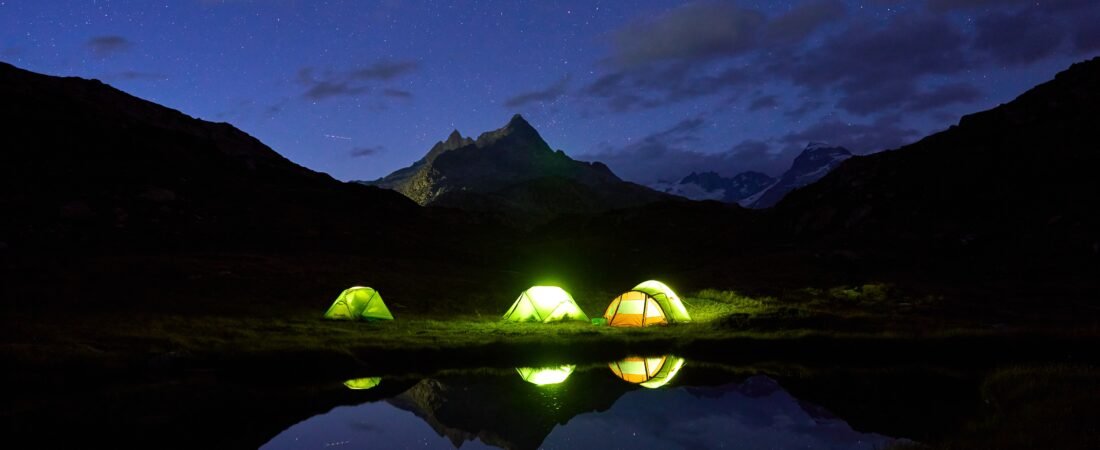
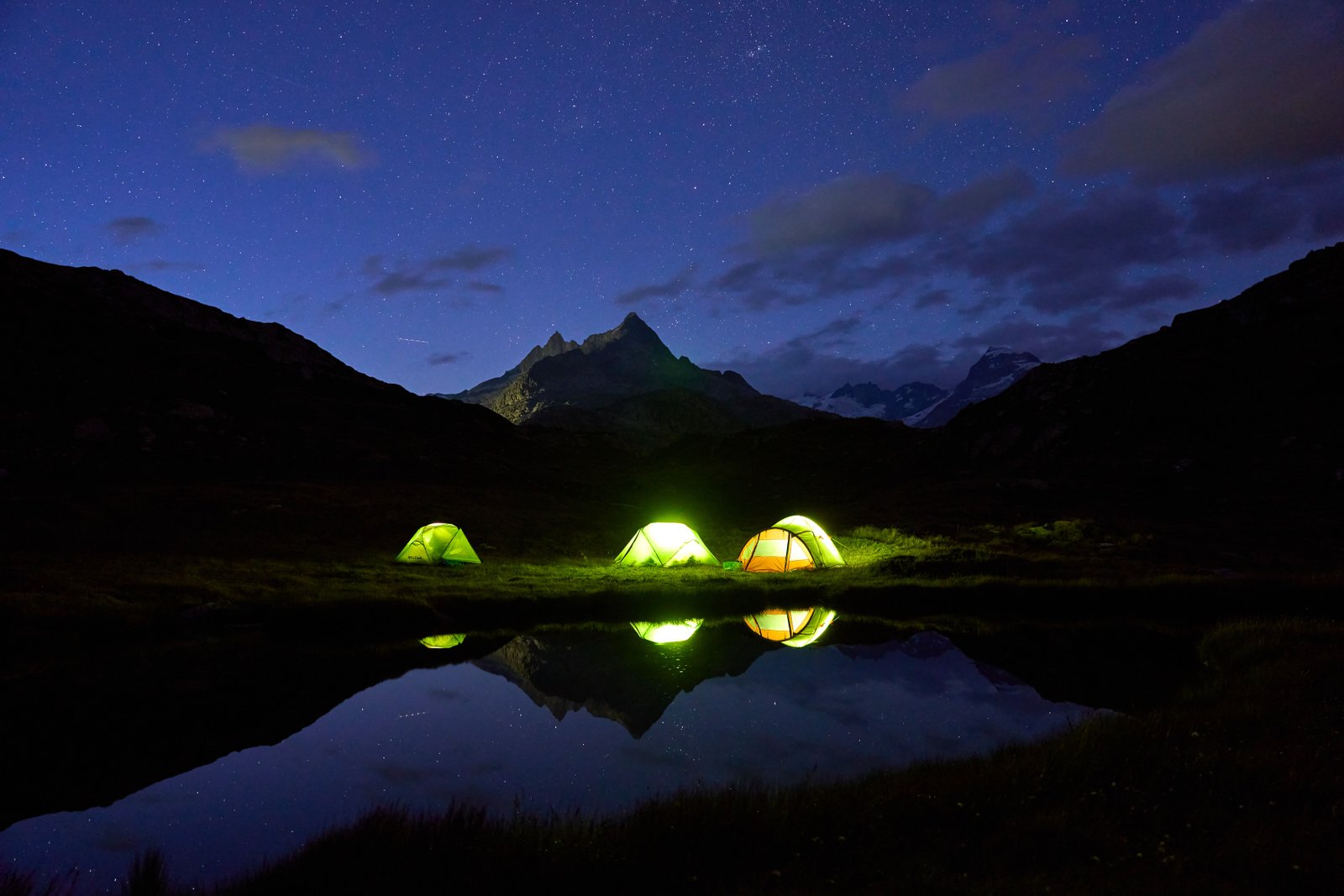
Choosing your shelter is one of the most critical decisions in backpacking. It’s the difference between a restorative night’s sleep and a miserable, bug-ridden ordeal. The debate between traditional tents and hammocks has grown significantly in recent years as gear technology has evolved. Each system offers a unique set of pros and cons that can drastically change your experience on the trail.
Quick Comparison: Tent vs. Hammock
| Feature | Traditional Tent | Hammock Setup |
|---|---|---|
| Terrain Versatility | High (Needs flat ground) | Medium (Needs trees) |
| Sleep Comfort | Variable (Depends on pad) | High (No pressure points) |
| Average Weight | 2.5 – 4 lbs (Ultralight) | 2.8 – 4.5 lbs (Full system) |
| Storm Protection | Excellent (Bathtub floor) | Good (Requires large tarp) |
The Traditional Tent: A Reliable Classic
Traditional tents remain the most popular choice for a reason: versatility. Whether you are above the treeline in the alpine or in the middle of a desert, a tent only requires a relatively flat patch of ground.
- Pros: Tents provide a private, enclosed space to change clothes and organize gear. They are generally better at retaining heat in cold weather and offer superior protection against high winds.
- Cons: You are limited by terrain; finding a level, rock-free spot can be challenging in dense forests or steep mountains. Tents can also be heavier once you factor in poles and stakes.
The Hammock: The Ultimate in Comfort?
Hammock camping has gained a cult following for its “sleep on a cloud” feel. By suspending yourself above the ground, you eliminate the pressure points caused by hard earth.
- Pros: You can camp over mud, rocks, or slopes as long as there are two sturdy trees. Hammocks offer excellent ventilation in hot, humid climates and often result in a deeper sleep for many backpackers.
- Cons: They require trees, making them useless in meadows or above the treeline. They also require a learning curve to set up correctly (the “diagonal lay”) and usually need additional insulation like an underquilt to prevent “Cold Butt Syndrome” even in mild temperatures.
Key Comparison Factors
1. Weight: While a basic hammock is light, a full setup (hammock, straps, bug net, tarp, and underquilt) often weighs about the same as a modern ultralight tent.
2. Setup Time: A tent is usually faster for beginners. Hammocks require fine-tuning the “hang angle” (aim for 30 degrees) to ensure comfort.
3. Protection: Tents offer a “bathtub floor” that keeps you dry from ground runoff. Hammocks keep you completely away from ground moisture but require a large tarp to stay dry in driving rain.
Conclusion: Which Should You Choose?
If you primarily hike in dense forests and prioritize sleep comfort over all else, a hammock might be your best friend. However, if you want a shelter that works in any environment—from the beach to the high peaks—the traditional tent remains the king of the backcountry. Consider your typical terrain and your personal sleep style before making the investment.