Solo Hiking Safety: The Ultimate Guide to Lone Adventures
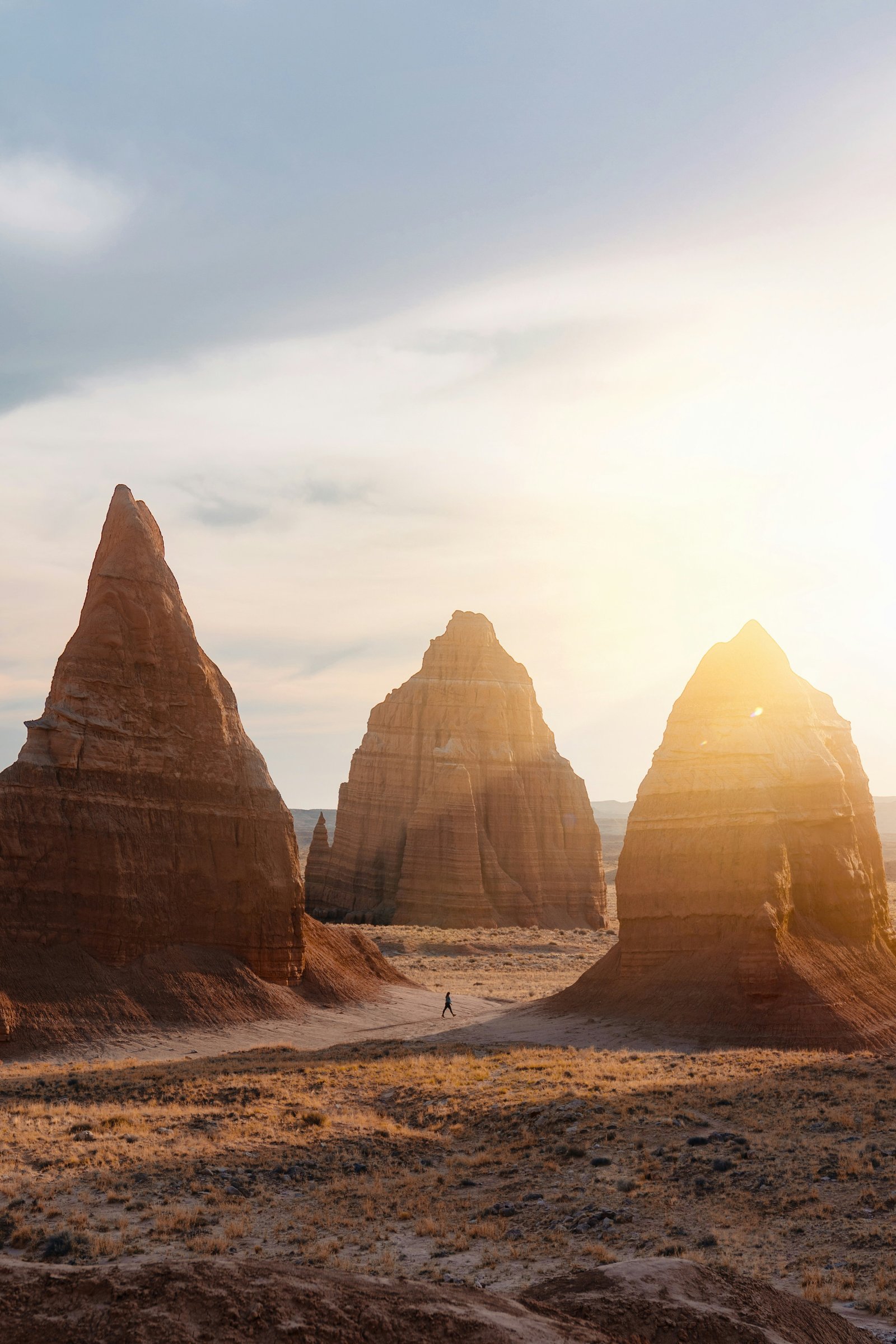
Solo hiking is one of the most rewarding ways to experience the wilderness, offering unparalleled solitude and a deep sense of self-reliance. However, without a group to rely on, the margin for error is smaller. Being prepared is your best defense against the unexpected. Follow this expanded guide to ensure your first lone adventure is both safe and memorable.
1. Master the Art of the Trip Plan
In many solo hiking case studies, the difference between a close call and a tragedy is often a simple “trip plan” left behind. Never head out without sharing your exact route and expected return time with a trusted friend or family member. Include details like your vehicle’s make and license plate, and set a “panic time”—the time they should call emergency services if they haven’t heard from you.
2. Stick to the Path
While it might be tempting to explore a hidden trail or shortcut, solo hiking is not the time for off-trail exploration. Stay on marked trails to ensure you remain within mapped areas and are more likely to encounter other hikers if you need assistance. Sticking to the path also protects fragile ecosystems.
3. Invest in Reliable Communication
Cell service is notoriously unreliable in the backcountry. Carry a dedicated emergency beacon or satellite messenger, such as a Garmin inReach. These devices allow you to send SOS signals and two-way messages even when you’re miles away from the nearest cell tower, providing a vital safety net for solo explorers.
4. Pack the Ten Essentials
When you’re alone, your gear is your partner. Ensure you are carrying the Ten Essentials, including extra food, water, navigation tools (map and compass), and a first-aid kit. For a deep dive into what you should have in your pack, check out our guide on The Ten Essentials.
5. Trust Your Gut and Know Your Limits
Self-awareness is a solo hiker’s greatest skill. If the weather shifts unexpectedly, the terrain becomes too technical, or you simply feel “off,” turn back immediately. The mountain will always be there for another day. Success isn’t just reaching the summit; it’s returning safely to the trailhead.
6. Wildlife Awareness
Without the noise of a group, you are more likely to startle wildlife. Make occasional noise by talking to yourself or clapping your hands, especially in areas with low visibility. Research the local wildlife (bears, cougars, or snakes) and know how to react to an encounter before you set foot on the trail.
Preparation is the key to solo confidence! By taking these extra steps, you can enjoy the peace of the wilderness with peace of mind.