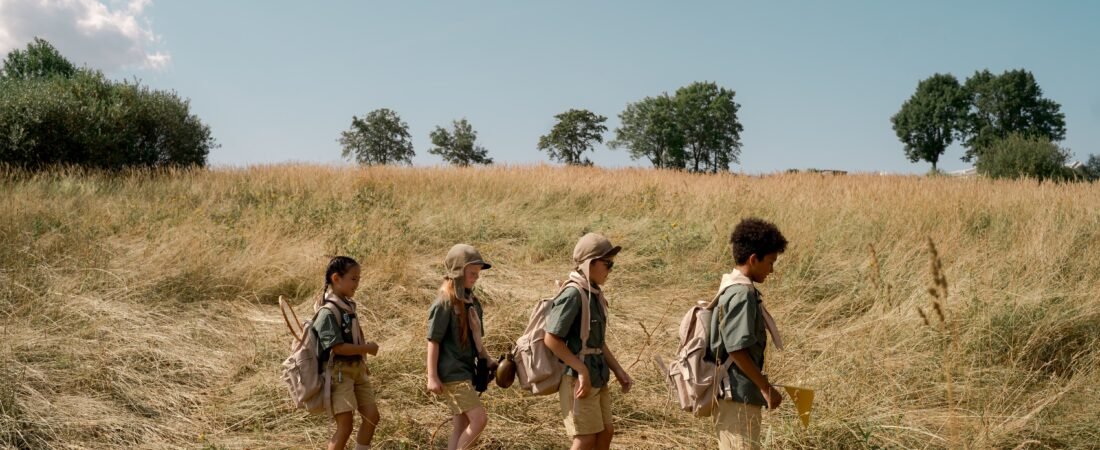
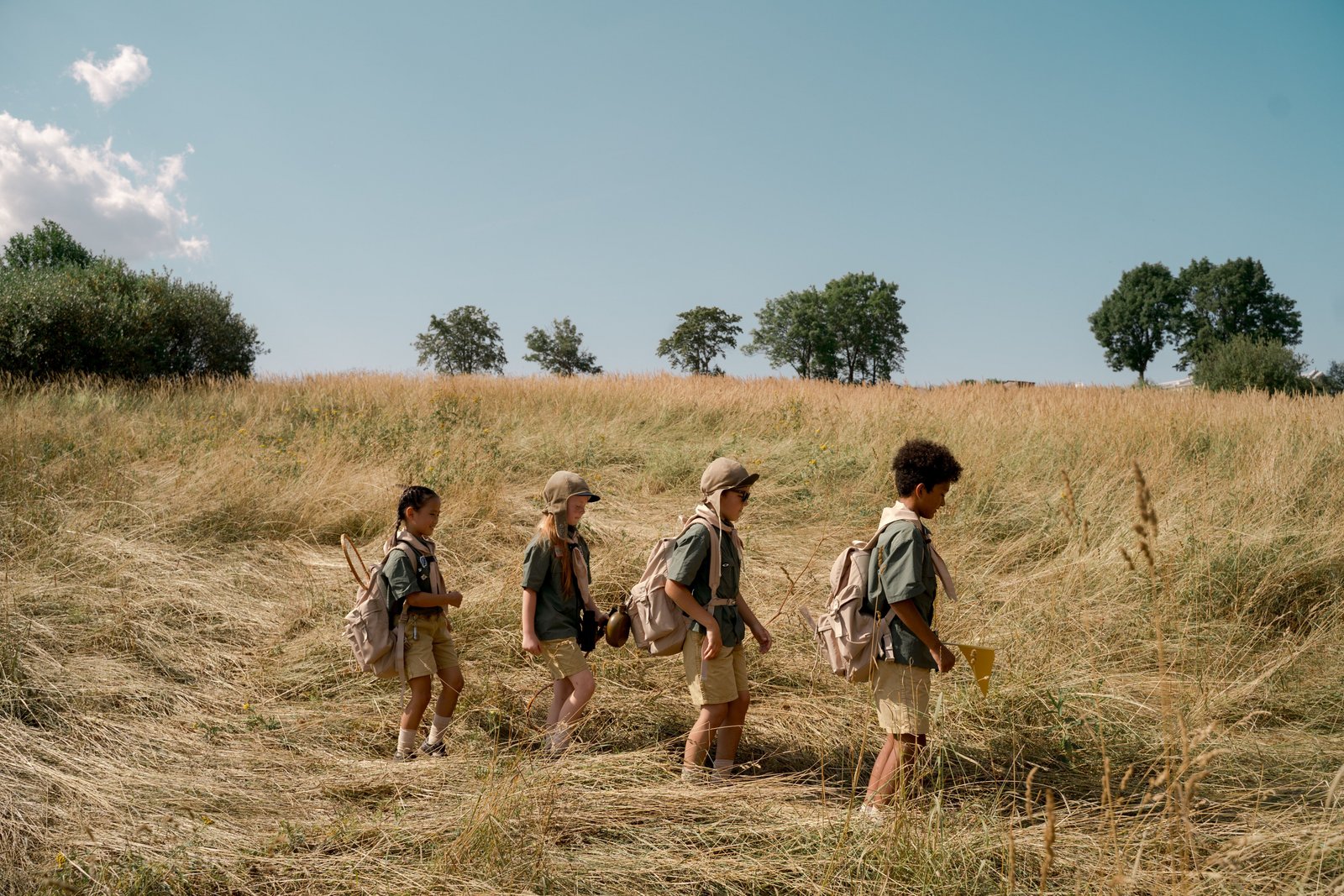
Hiking with toddlers and young children can be one of the most rewarding ways to experience the outdoors—or one of the most exhausting. The difference often lies in your approach. For a child, the “summit” isn’t the goal; the beetle crawling across the trail, the mud puddle, and the colorful leaf are the highlights. To have a successful family adventure, you have to shift your mindset from “covering miles” to “discovering wonders.”
Author’s Pro-Tip: I’ve learned that the most important piece of gear for hiking with kids isn’t a carrier or boots—it’s a “Nature Journal” and a single crayon. Even for toddlers who just scribble, giving them a dedicated space to “record” their findings (like a leaf rubbing or a sketch of a bug) keeps them engaged during breaks and builds a sense of pride in their outdoor accomplishments.
1. Make it a Treasure Hunt
Young children love a mission. Before you head out, create a simple “Trail Bingo” or scavenger hunt list. Ask them to find:
- A rock shaped like a heart
- A feather
- Something yellow
- A tree with “bumpy” bark
- A bird’s nest (look up!)
Giving them a magnifying glass or a small pair of binoculars makes them feel like true explorers and keeps their eyes glued to the environment rather than their tired feet.
2. The Power of “Special” Snacks
Never underestimate the motivational power of food. Reserve certain treats specifically for the trail. Whether it’s “power pebbles” (M&Ms), trail mix they helped build at home, or fruit leather, having a designated “trail-only” snack gives them something to look forward to during breaks. Stop often, hydrate, and celebrate every milestone with a small bite.
3. Let Them Lead
Toddlers are constantly told what to do. On the trail, give them a sense of agency by letting them be the “Trail Leader” for a while. Let them choose which way to go at a safe fork or decide when the group takes a “nature observation break.” This builds confidence and makes them feel like an active participant in the adventure rather than just a passenger.
4. Dress for Success (and Mess)
A child who is cold, wet, or has a rock in their shoe will not be excited about the trail. Invest in decent moisture-wicking layers and sturdy shoes. Most importantly, give them permission to get dirty. If they want to poke a stick in the mud or sit on a mossy log, let them. Bring a change of clothes for the car ride home so the “mess” doesn’t become a stressor.
5. Choose the Right Trail
For the first few outings, choose trails with high “payoff” features. A trail that ends at a small waterfall, a bridge over a creek, or a giant hollowed-out tree is much more engaging for a child than a long, steady climb to a distant view. Keep the mileage low—usually half a mile to a mile is plenty for a toddler walking on their own.
Conclusion
Hiking with kids is about planting seeds for a lifelong love of nature. It requires patience, plenty of breaks, and a willingness to see the world through their eyes. When you stop worrying about the destination, you’ll find that the trail is already full of excitement.